

They Call Me Mimi
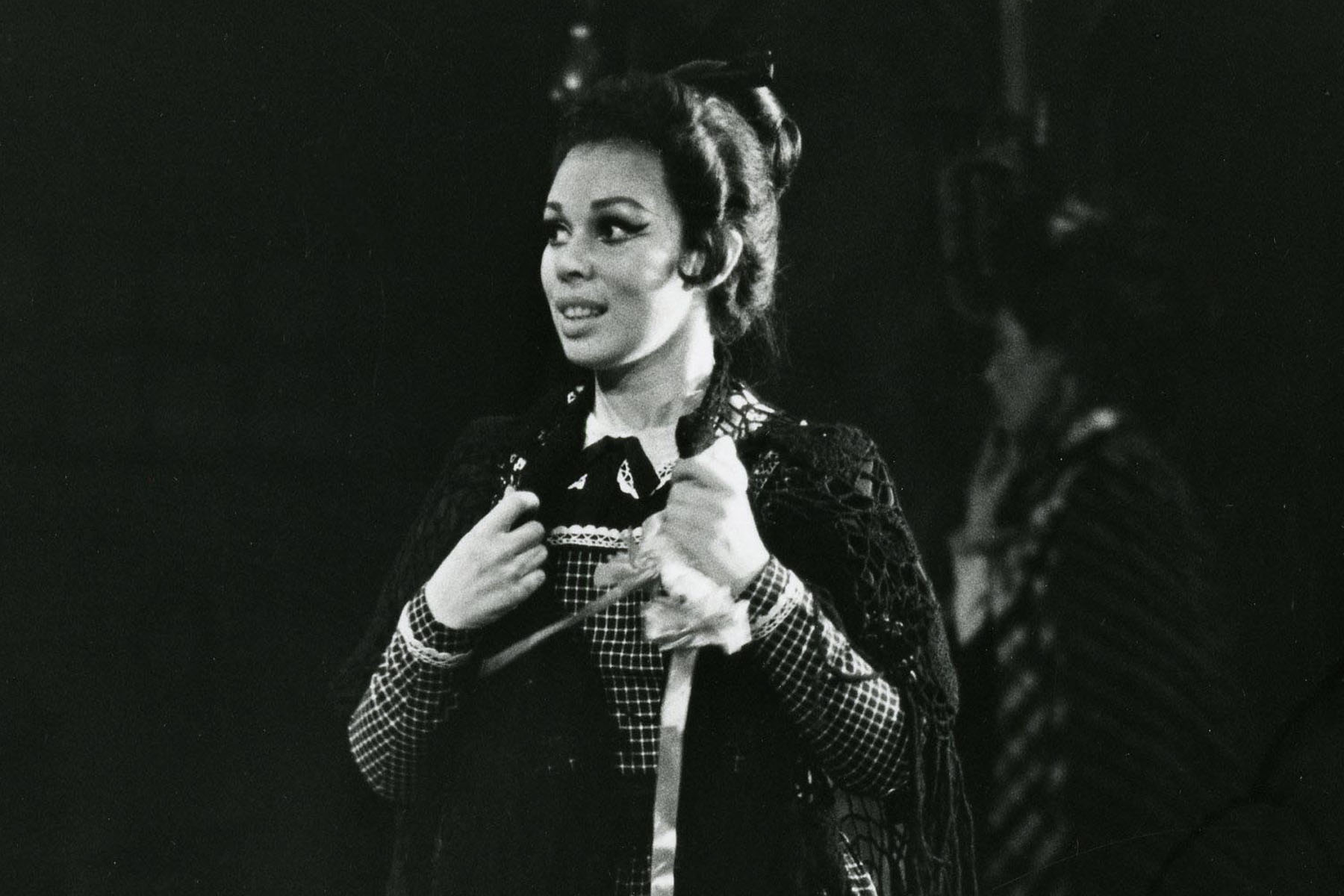
Nicole Car’s introduction was a baptism by fire. As a young artist with Sydney Opera, she asked to sit in on rehearsals for a new Bohème and found herself jumping in for an ailing colleague. “I had two weeks to learn [Mimì], which was crazy. I remember working with coaches three or four hours a day, trying to absorb all this amazing music. I just got thrown in there, which in some ways was really positive, because everything felt kind of organic, in terms of the character development.” Car has taken her Mimì to many top companies around the world, including London’s Royal Opera and the Metropolitan Opera.
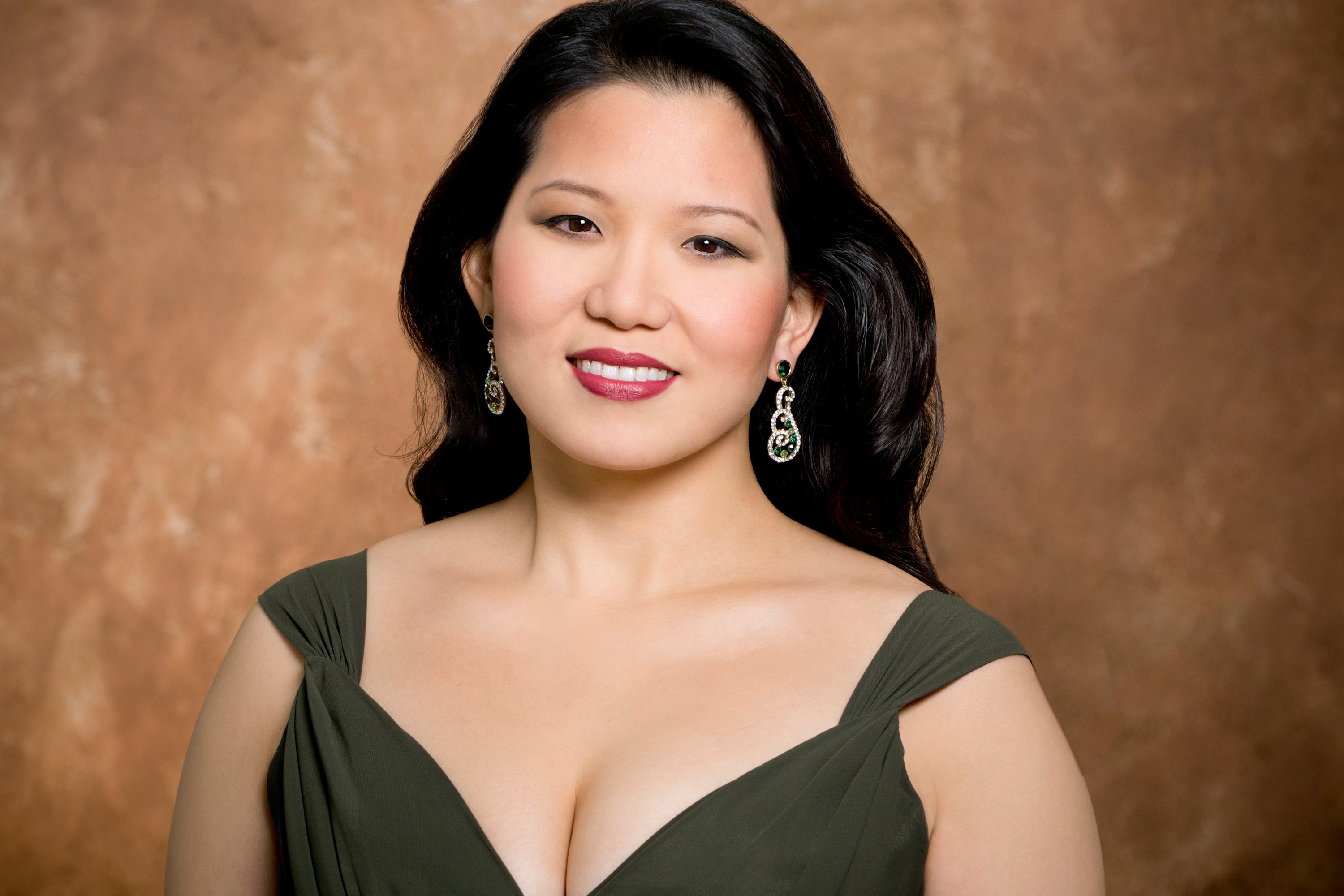 Karen Chia-ling Ho, making her role debut this season, admits that when she first saw Bohème as a student in Taiwan she “wasn’t a big fan of opera. I was like, ‘Opera is clichéd. It’s all love stories.’ I was into German lieder. But my teachers at Eastman and CCM [Cincinnati College-Conservatory of Music] gave me so many different tools and resources, so I started doing more opera scenes and workshops, and I started to grow into the love of opera.”
Each artist has a highly personal take on Mimì’s essential qualities. “For me, the essence of Mimì is a sense of innocence, a naïveté that needs to be brought out,” says Car. “She has this big, loving heart. I think Mimì—my Mimì at least—is lonely. She’s spent a lot of time by herself, and she ends up with this band of boys, and I think it plays to something quite social in her that she didn’t know she had. I think she found in those boys, and in Musetta, something really special, and I definitely relate to that. And the idea of that special ever-giving love. She’s not an absorber. She gives out light to the world.”
Ho, too, connects with Mimì’s introverted side. “I think she’s a little bit similar to my younger self, because I wasn’t very social. She says, in her text, ‘I don’t go out, I just stay in my room.’ I was a little bit like that, and I was a little naïve.” She notes that in other respects she and Mimì are very different. “I think she’s very brave—which I am not,” she says with a confiding smile. “She dares to love.”
Corrales admires Mimì’s kindness of heart above all. “She’s so thoughtful and so intentional with her words, and with the delicate way she treats other people, with so much respect and love. Even when she’s ready to leave Rodolfo, she keeps saying ‘Senza rancor’ [without rancor]—and it’s genuine! It’s such a joy to be able to play this wonderful, deeply good, authentic, and lovely woman.”
Despite the tragedy of Mimì’s story, her portrayers see her as a positive figure of truth and beauty. “I never like Mimì to be the downer,” says Car. “She’s not sad about her illness, she’s not angry about it. She accepts it as part of her life; and she wants to live that life as much as she can until her time is up. I think there’s this kind of radiant sunshine that comes out of her that comes from a truthful place.”
 One of the defining moments for Corrales comes in her first aria: “after the climax, where she’s talking about when the frost disappears and the flowers start to bloom, and she feels the warmth of the sun, and it’s all hers. It’s this huge dramatic musical moment, and then everything drops, and she talks about seeing these flowers in a vase and investigating each petal, and how sweet it is to smell them and see them. That’s really who she is. She’s so curious and so thorough and so gentle, and the greatest joy in her life is literally smelling the roses.”
Ho is approaching her first Mimì with her heart and mind wide open. “The key is in her first aria,” she says. “But after discussion with my friends and colleagues, they all have different interpretations, and now I’m thinking, ‘Hmm … which kind of Mimì will I be?’ because my interpretation is very straightforward. I think she’s innocent, she’s poor, but she wants to experience different things in life. But some people say, ‘Actually she’s very calculated. That’s why she went to knock on [Rodolfo’s] door….’ I still feel like there are many parts where I need some other people’s insights into the character to give me inspiration.”
Two of the sopranos offer strikingly similar perceptions about Mimì’s lyrical bent. “When she starts talking about herself in ‘Mi chiamano Mimì,’” says Car, “she doesn’t even realize that in a lot of ways she becomes so much more poetic than the actual poet is in his aria.” Corrales picks up the theme: “As she’s getting to know Rodolfo, and he tells her that he’s a poet, she talks about how all the things she loves to do are ‘poesia’ too. And in the final duet, she’s so, so poetic. She talks about how her love is so profound, it’s deeper than the sea. She has this amazing moment where she’s reflecting some of Rodolfo’s ideas, and it just shows how much she listened and was a great partner in that way—to take on these qualities, and to enhance these qualities in herself, that just deepens their connection.”
When learning a new piece, Ho avoids referring to performances of the past. “Normally, I just listen one time through, and then I’ll put it aside, because I’m pretty good at copying, so I try not to do that. I just want to know the shape of the music, and then I’ll do exploration by myself.” Car and Corrales, on the other hand, tip their hats to the same touchstone Mimì. “[Mirella] Freni’s version is one of the most pure, beautifully sung, respectful of the score, and just very informed in terms of the character,” says Car. “My favorite production ever was San Francisco Opera with Mirella Freni and [Luciano] Pavorotti,” says Corrales. “It’s wonderful to be able to understand those performance traditions and see, ‘Okay, what is Mirella doing that’s in the score, and what is she doing that’s her own signature? And what is resonating with me so much that I could take inspiration from it?’”
The role’s emotional stakes pose a significant challenge. “It took me at least two or three weeks of coachings to be able to sing the last few pages of her music without crying,” confesses Corrales. Ho faced the same hurdle. “My teacher Diana Soviero told me, ‘You cannot cry on the stage, because if you cry, the audience will not cry,’” she says. “So you have to be very present—you’re yourself, at the same time that you have to bring out the character to the audience. It’s pretty challenging.”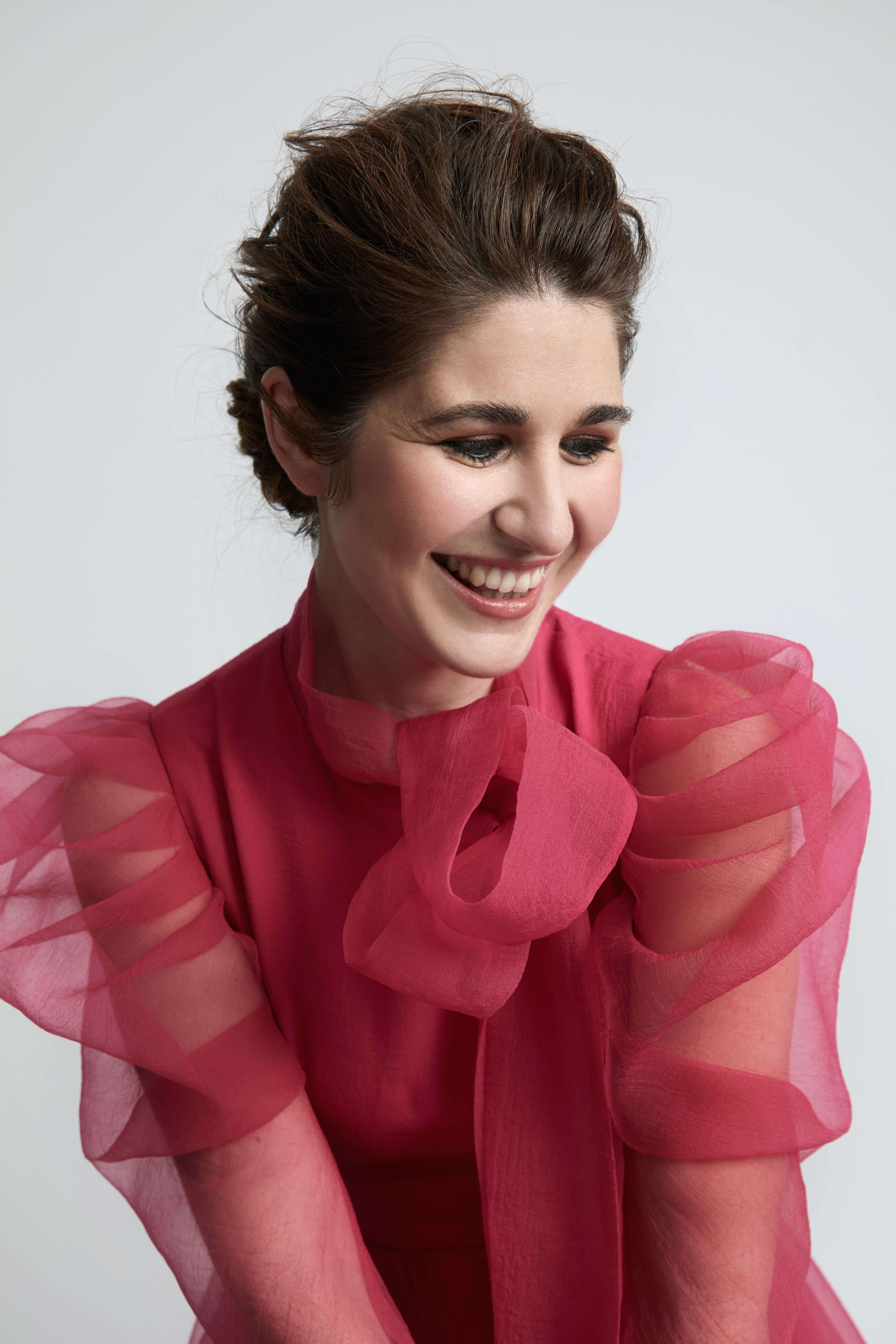
All three agree on the secret of the opera’s evergreen charms. “It’s the power of verismo opera,” says Ho. “It’s very close to people’s heart. The love story never ends, and it can be transplanted to many different places and times.”
“These are real people’s stories,” echoes Corrales. “We see ourselves in them. They are vibrant and resourceful, and deep and caring people who are living in an economic struggle, who are trying to survive while being true to themselves. All of them are raw and real. What’s more relatable than the opening scene of a bunch of friends and roommates trying to scrabble together money for food and heat? And then making art, and falling in love, and finding joy in the little things.”
“Love is a universal story,” says Car. “It’s not a story of kings and queens, it’s a story of something that is possible for all of us. Everyone in that public will have some story that informs them of something these characters are doing onstage. My aim is to be a vessel for that.”
San Francisco Opera’s trio of Mimìs say the credit for their portrayals goes to the composer. “Puccini wrote a piece that is genius. There is no extra note, there are no extra words, it’s not overly dramatic. It’s just perfectly written,” says Car. “It’s such an ensemble-y piece! If you have six people who are really willing to put themselves in the situation and be there for each other—no divas, no divos—you have an absolute winning combination every time. “
“Puccini is so specific,” says Corrales. “Every tempo marking, every dynamic marking, every swell is so deeply connected to the text and to the character. When I started learning [Mimì], my teacher was Nova Thomas, who had studied with Mirella Freni and spent a month living with her, just learning [Mimì]. And Mirella said to her, ‘If you sing and observe every piece of ink on the page, you’ll be a hundred times greater the Mimì than I ever was.’ Which I don’t think is possible, but she was so right that every single thing you need to be a great Mimì is right there on the page. You don’t have to do any kind of inventing. You just come to it with an open heart and let Mimì in.”
Louise T. Guinther, longtime senior editor at Opera News magazine, is an arts writer based in New York.
.