

Bridging Worlds: Huang Ruo and the Rise of Asian American Stories on San Francisco Opera’s stage
Listen and Read Along
This article is read by an automated voice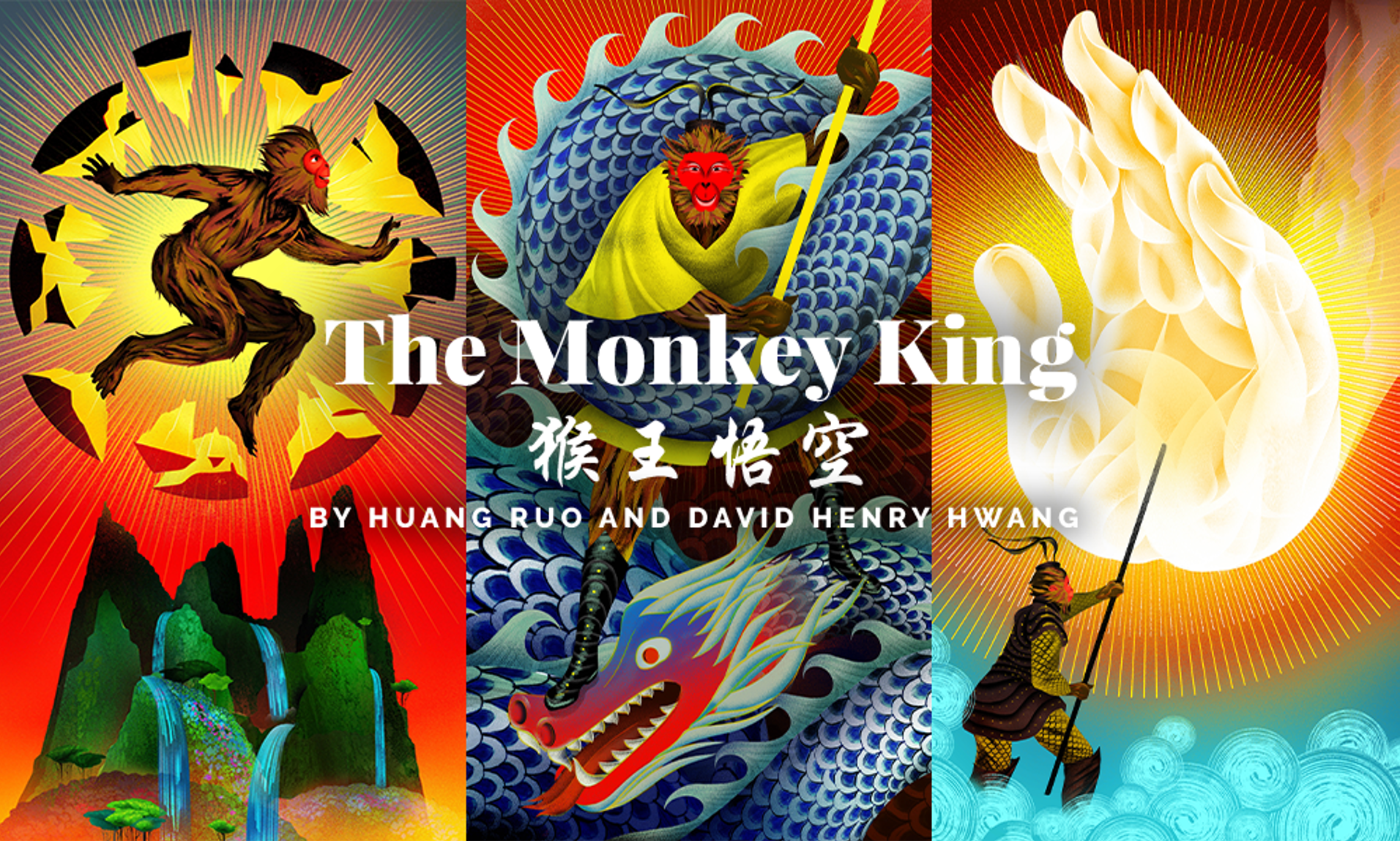
Illustration by Brian Stauffer
To understand Composer Huang Ruo’s interpretation of The Monkey King, you have to understand the China he came from. It was a time when sound itself was rediscovered. Born in 1976 on Hainan Island, just as the Cultural Revolution was coming to an end, Ruo grew up in a country that was shaking off controlled silence and finding its voice again. Radios crackled with new music: Bach and Stravinsky on the same wavelengths as the Beatles, Michael Jackson, and Herbie Hancock.
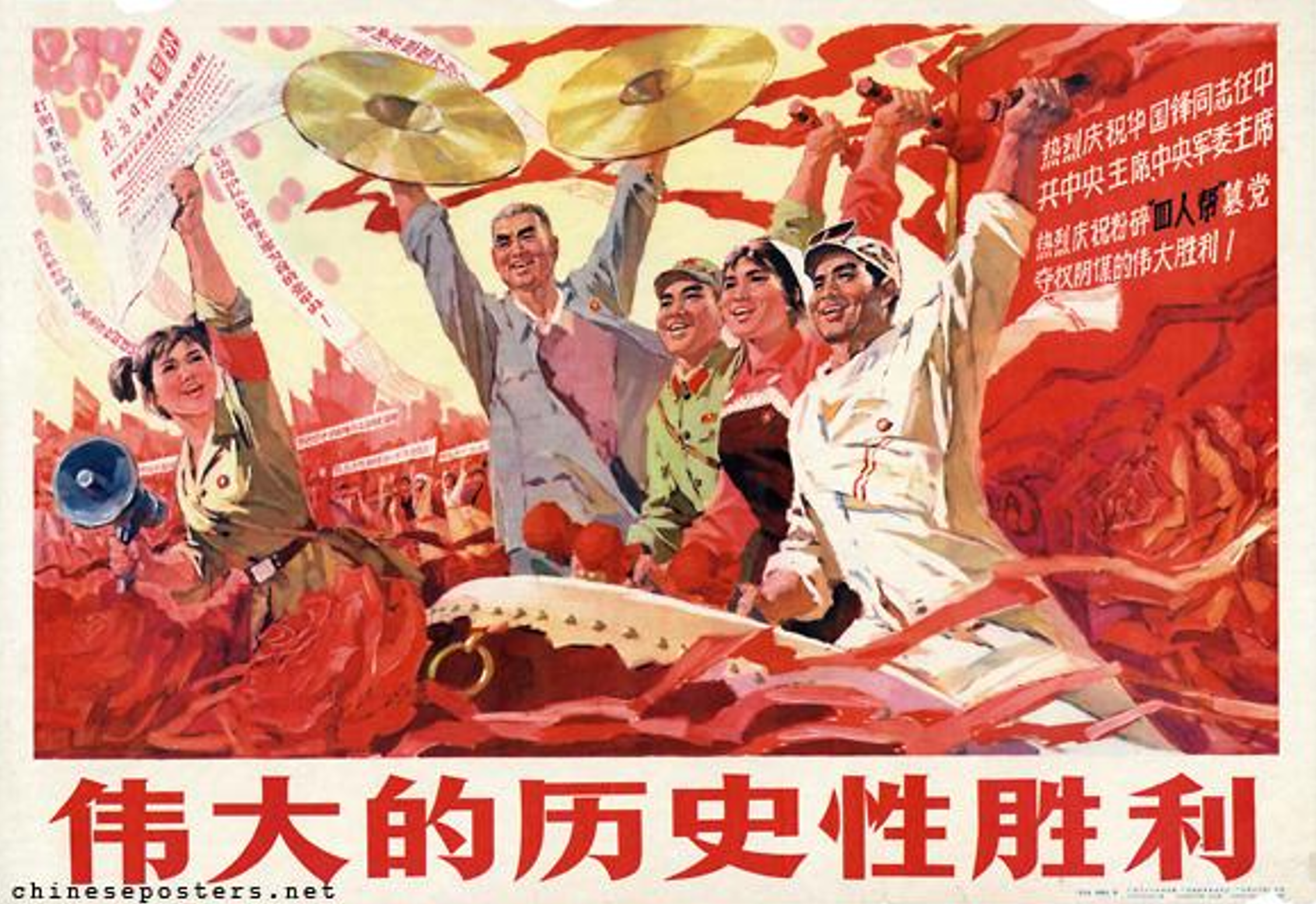
Designer Li Dezhao (李德钊) Xia Liye (夏立业) (1976)
Traveling opera troupes would arrive with painted faces and gongs, setting up simple wooden stages. The ancestors and villagers all watched together as ancient stories came to life in communal, open-air public squares. That was Huang Ruo’s first opera house. Sitting beside his grandmother, nine years old, he watched the mythic world unfold under a starry sky. The experience burned into him the sense that art was not an elite pursuit but a communal act that binded past and present. Now a U.S. citizen and one of contemporary music’s most brilliant composers, Huang Ruo moves fluidly through worlds. His art resists categories because his life never fit into one.
 Small town opera troupe practising / Photo: Sebastian Liew courtesy of Heritage SG Memories
Huang Ruo’s work draws deeply from ancient Chinese folk music, Western avant-garde, experimental noise, natural and process sounds, rock, and jazz; his genre-bending compositions span orchestra, chamber music, opera, theater, dance, sound, installation, multimedia, conceptual public art, and film. With nine operas to his name, Ruo’s tenth —The Monkey King, for which David Henry Hwang wrote the libretto, will premiere at San Francisco Opera on November 14. It is a body of work he hopes to eventually bring to his homeland.
The Monkey King reimagines one of China’s four great classical novels, Journey to the West. It begins with the Monkey’s birth from stone, charting his rise to mythic power before he becomes the figure known as the legendary Sun Wukong. The opera fuses puppetry, dance, Buddhist sutras, and Peking opera with Ruo’s distinctive layering of sound, a technique he calls “Dimensionalism.” Rather than merging Chinese and Western traditions into a single hybrid, Ruo allows them to coexist in tension with contrasting tones, times, and textures that speak to the complexity of his own identity. As Ruo puts it, “It’s about breathing life into myth. Not to remember the past, but to let the past sing again in our time.”
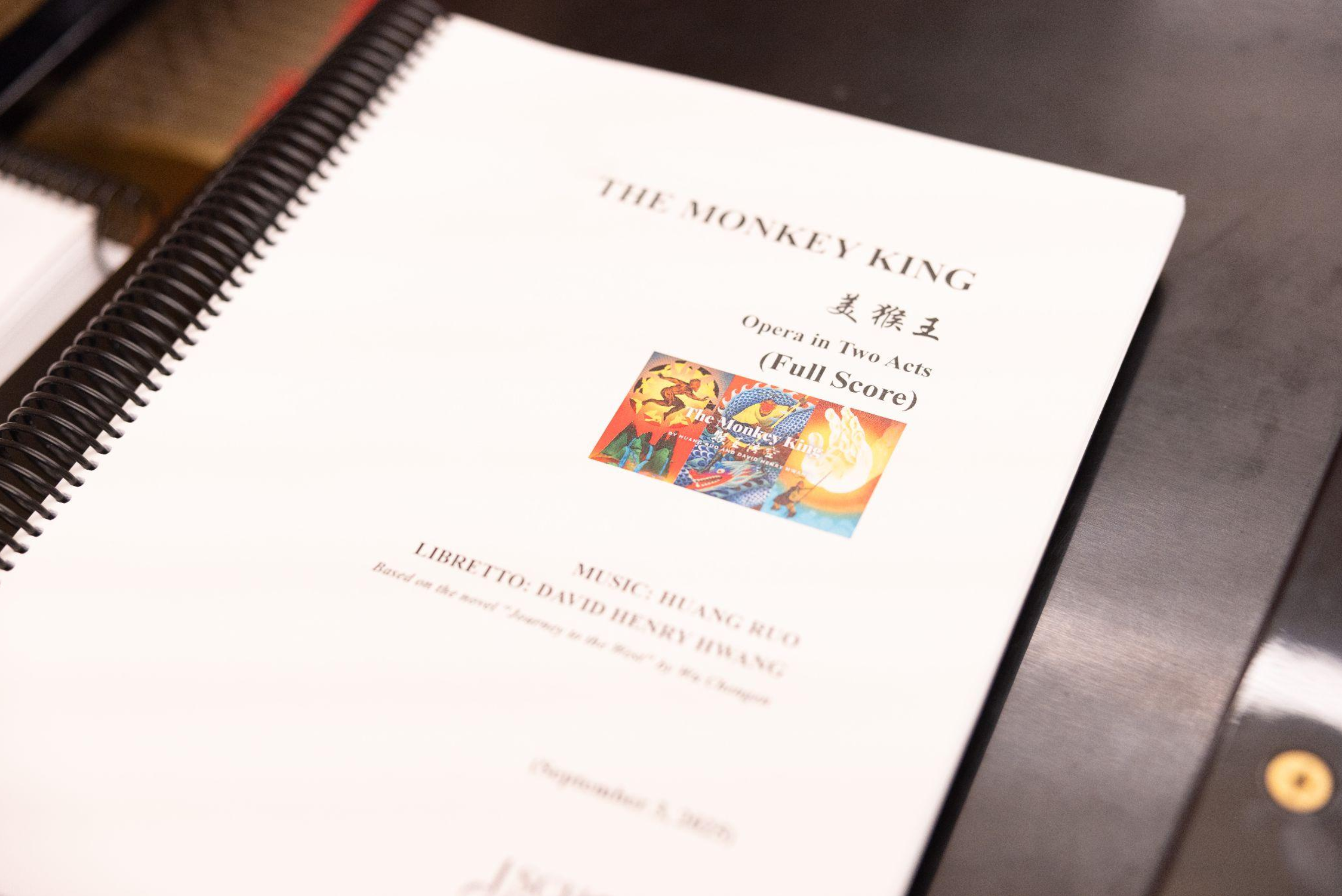
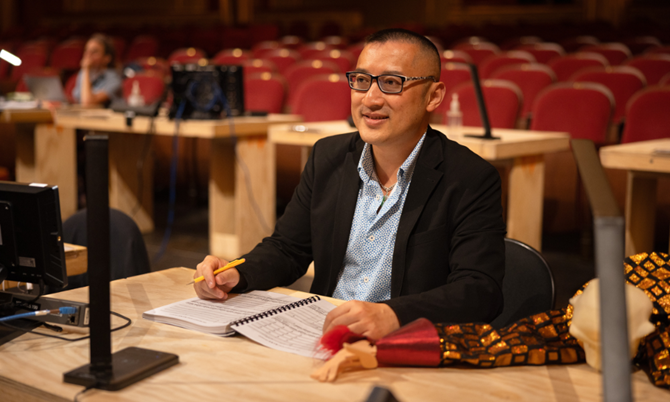
Photo: Matthew Washburn
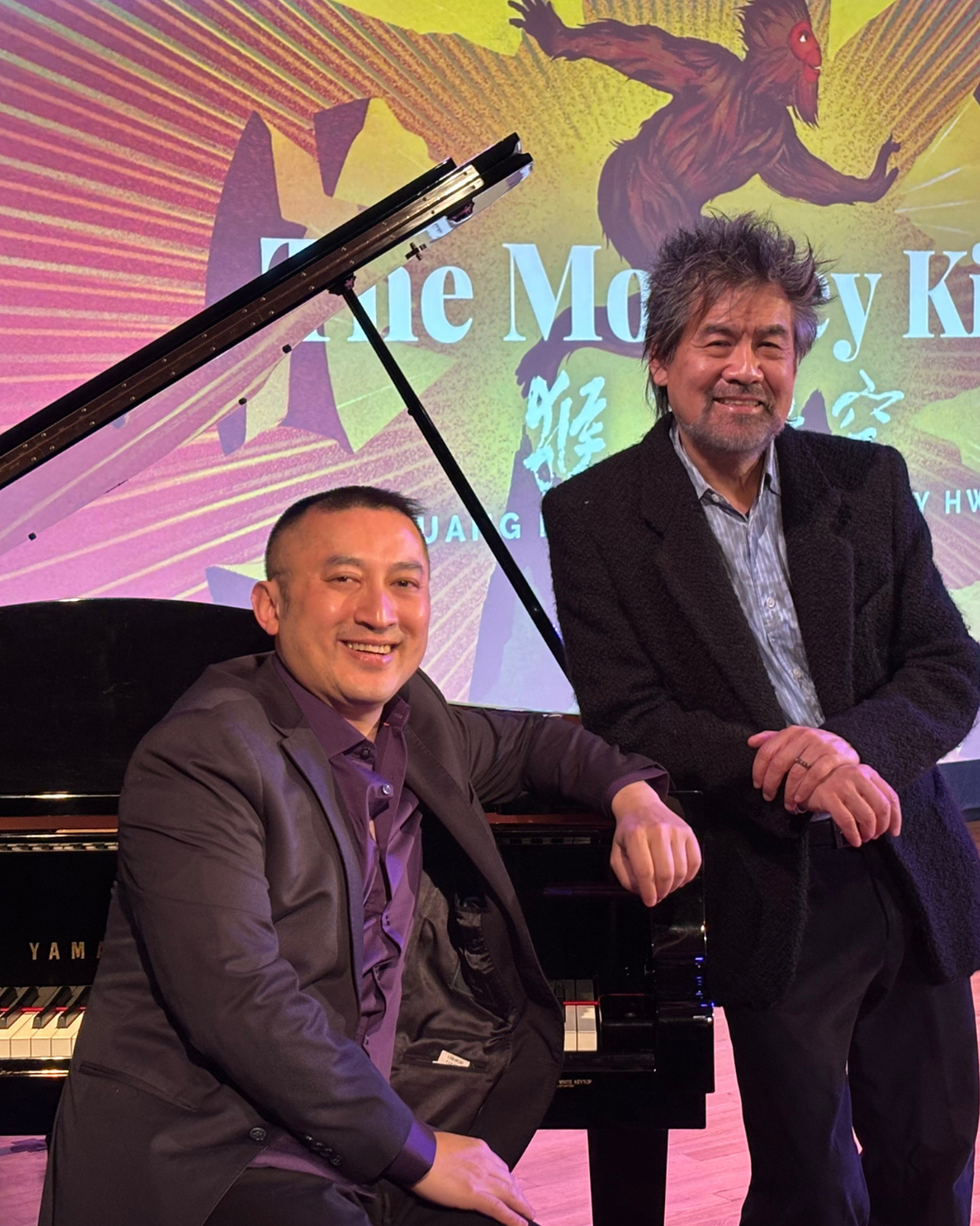
Huang Ruo and David Henry Hwang / Courtesy of Works & Process