

Backstage with Matthew: The Quest for the Grail
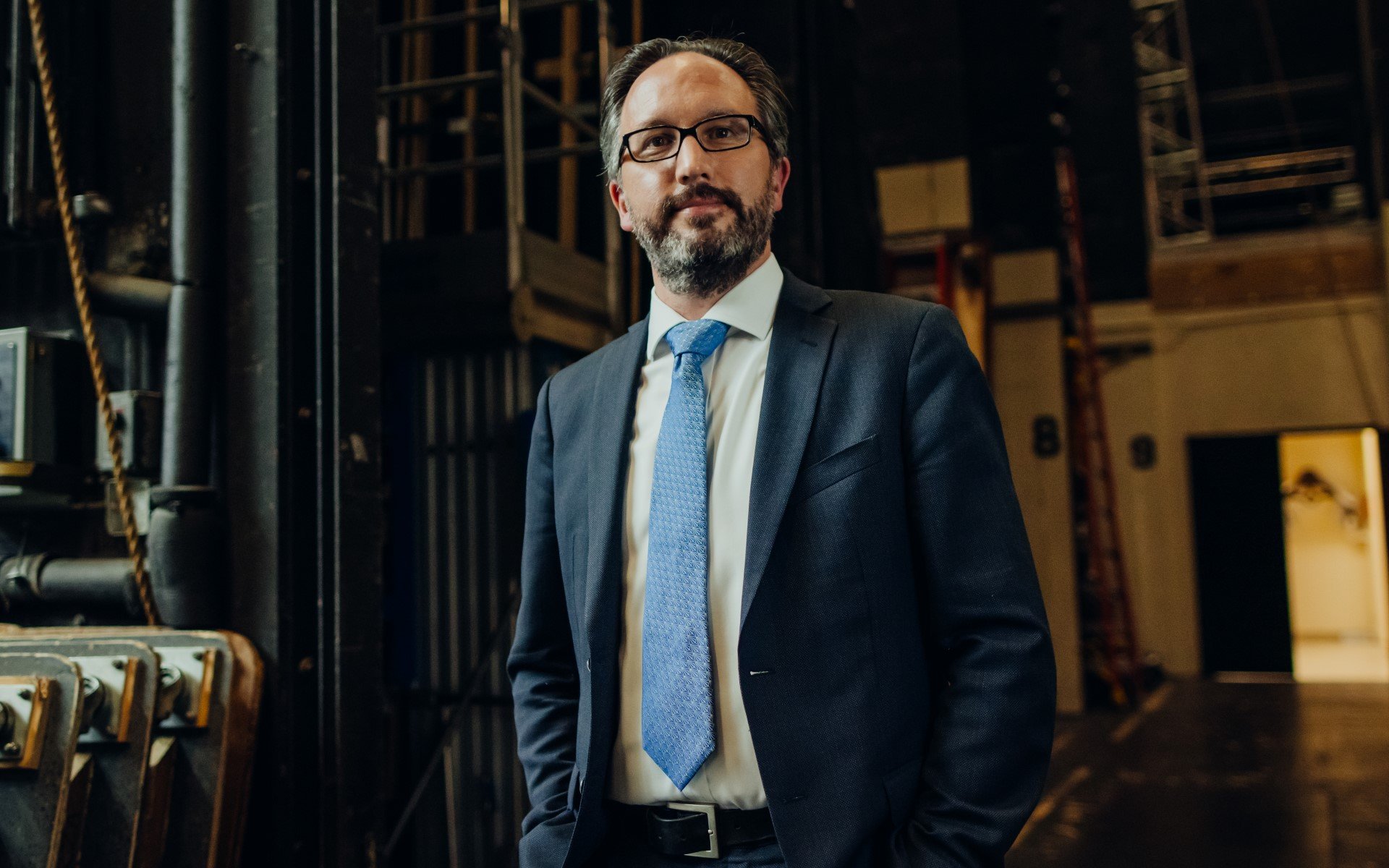
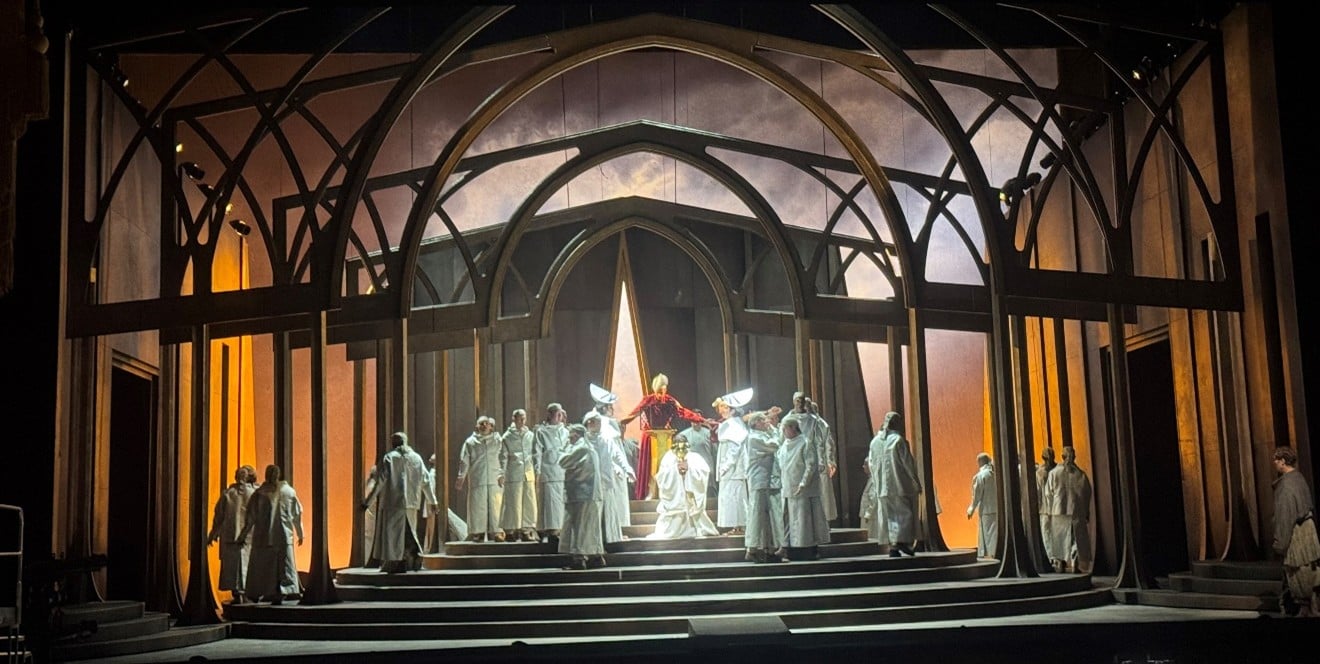
The rites of the Grail in our new production of Parsifal, photographed by me at the piano dress rehearsal.
Although Gaetano Merola explicitly touted the War Memorial Opera House as a home for Parsifal before it opened in 1932, it took until 1950 for San Francisco Opera to produce the work. It has only been produced six times in our long history: 1950, 1951, 1964, 1974, 1988, and 2000, making it the least performed of Wagner’s core ten operas on our stage.
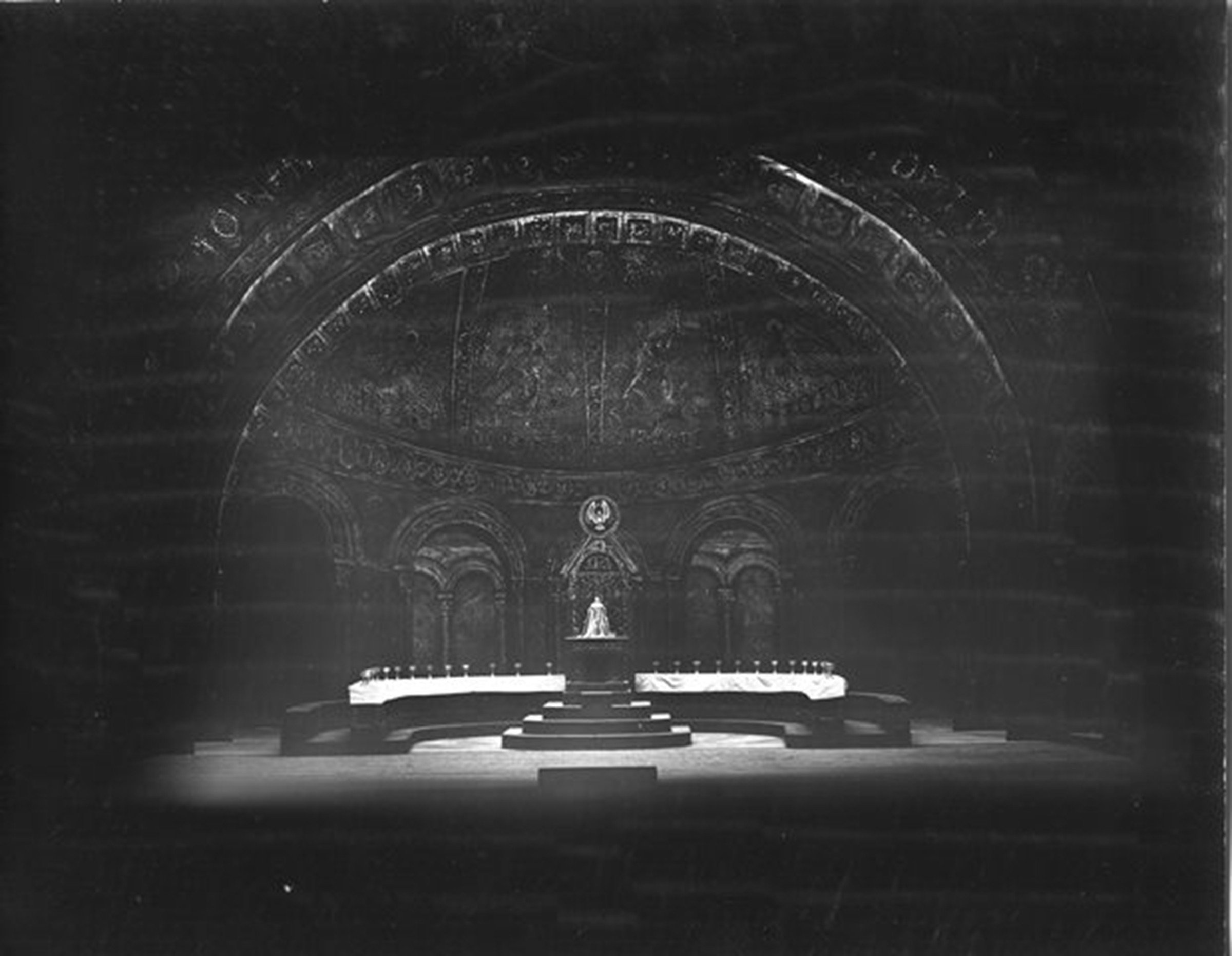
Our first Parsifal production in 1950, with sets by Armando Agnini and Eugene Dunkel.
When I was announced as general director back in 2015, I was reticent to share programming ideas—all too often those early ideas get burned when realities of budget and logistics hit home. But, I couldn’t evade the question completely and offered up one title that I fervently wanted to include in our programming: Parsifal. The reasons were severalfold:
- First, it is as close as one can come to music of the spheres—a score of profound, ritualistic depth that reverberates with a frequency that quite literally changes our conception of time.
- Second, it is an epic undertaking, the likes of which should continue to define a stage as storied as ours (our first Kundry was Kirsten Flagstad!).
- Third, it is a piece that binds us together in a shared sense of communal artistic experience like none other.
- Fourth, it was time for a return to the Grail!
Why then, you may ask, did it take us ten years to get around to programming the one piece to which I’d alluded back in 2015? It’s a good question! The answer lies in my desire to make Parsifal here a moment of profound depth and my unwillingness to settle for something that didn’t feel 100% right.
If it’s been 25 years since we last did Parsifal, it could well be 30–40 years before we do it again (our season is considerably shorter now than it was back in 2000). This Parsifal might be the one and only time many people in this community get to experience the piece. As such, I’ve felt an incredible responsibility to ensure that we’re doing everything possible to give audiences the transcendent experience so inherent in the score. Audiences here may only get one chance. ‘Don’t mess it up!” was burned into my consciousness!
By the way, that is such a different reality from Europe. Let’s say you find yourself in Germany next April. You can see a production of Parsifal in Dresden, but if that’s not to your liking, you can drive 120 miles to Berlin and see a different production there, and if that’s not to your taste, you can jump on a train and head down to Munich to see yet another Parsifal, all within a span of three days! Not so in America; if you don’t get to see this Parsifal, it could be decades before it comes around again. It’s our job as producers to make this, quite literally, the experience of a lifetime.
As such, we set out on our own quest for the holy grail of Parsifal productions. Our first inclination was not to build a new production but to rent something pre-existing. But after years of searching (including a mercy mission around Europe just weeks before the pandemic shutdown), we couldn’t find the right Parsifal for this community and this time. That’s not to say other productions weren’t good—they just didn’t resonate in the right way for our audience. And if we didn’t feel it would reverberate in the right way, it wasn’t the right choice.
As with many things in life, the stars align when they are ready. That has been the case with this Parsifal. By holding out for the right way to produce Parsifal, we found ourselves in a place of perfect alignment:
- By waiting, it meant that we were able to take on this project with our music director, Eun Sun Kim, as part of a deep and probing cycle of Wagner operas.
- By waiting, we were blessed to be joined by a number of donors passionate about Parsifal who believed that we should create the right staging for this theater for this time, and who have made possible this sublime new production.
- And by waiting, we were able to see Matthew Ozawa’s transcendent Orpheus and Eurydice in 2022 and feel in that the incredible possibility of a new Parsifal.
By waiting for the stars to align, we found ourselves with an artistic experience befitting a wait of 25 years.
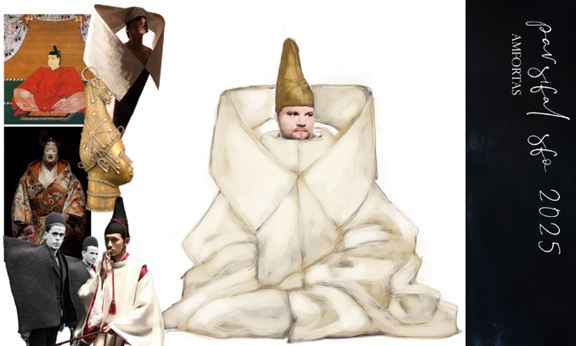 Jessica Jahn’s costume design for Amfortas, showing both the design and some of the reference inspirations.
Parsifal premiered in 1882 when Wagner was 69, and it encapsulated a lifetime of musical and dramatic experience. The literary critic Edward Said wrote that an artist’s late-style works often are something of an abandonment from the social order. He wrote of late style:
“… it has the power to render disenchantment and pleasure without resolving the contradiction between them. What holds them in tension, as equal forces straining in opposite directions, is the artist’s mature subjectivity, stripped of hubris and pomposity, unashamed either of its fallibility or of the modest assurance it has gained as a result of age and exile.” (London Review of Books, 2004).
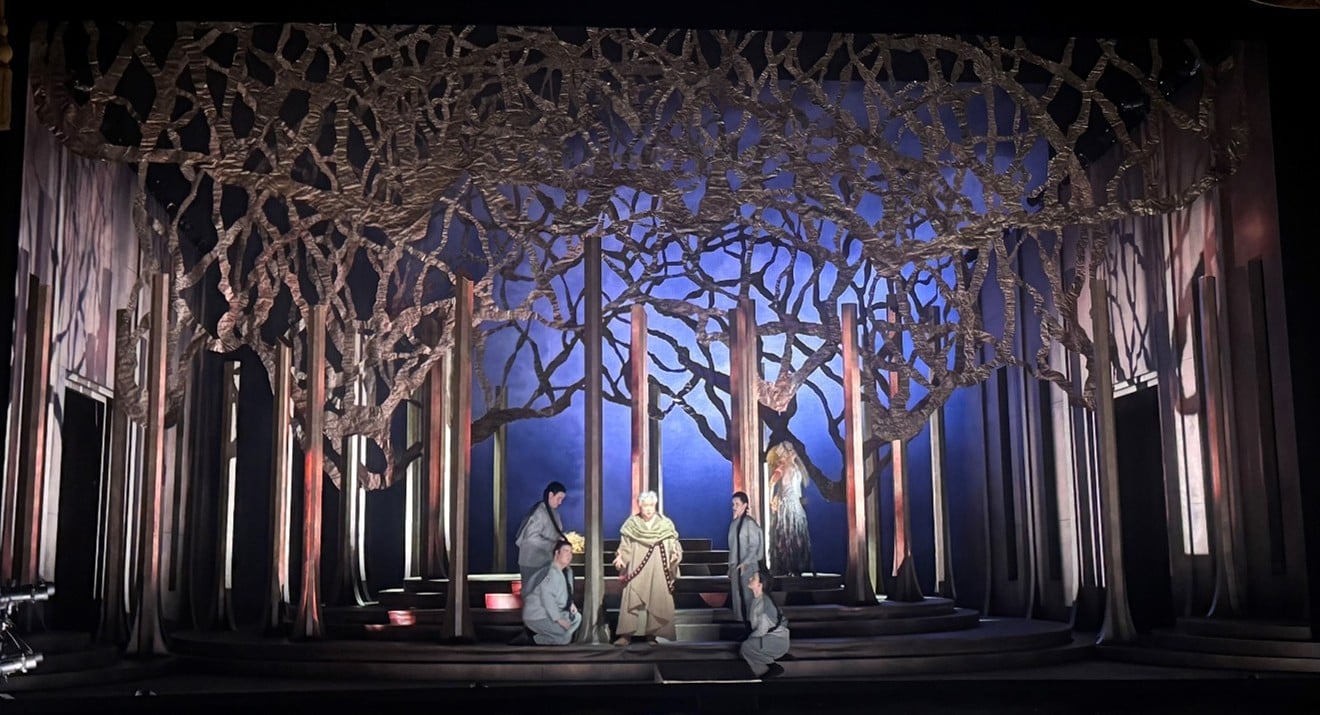
Gurnemanz (Kwangchul Youn) in the forest with the four esquires.
We feel that sentiment so profoundly in Parsifal. Here is a work that defies traditional conceptions of dramatic propulsion. Unlike the Ring, Lohengrin, or even Tristan, this is not a work of beginning, middle, and end; rather we find ourselves in the midst of a continuum—a meditation on compassion, and by the end we are essentially back where we started, with a different generation, but poised to reenter the same continuum.
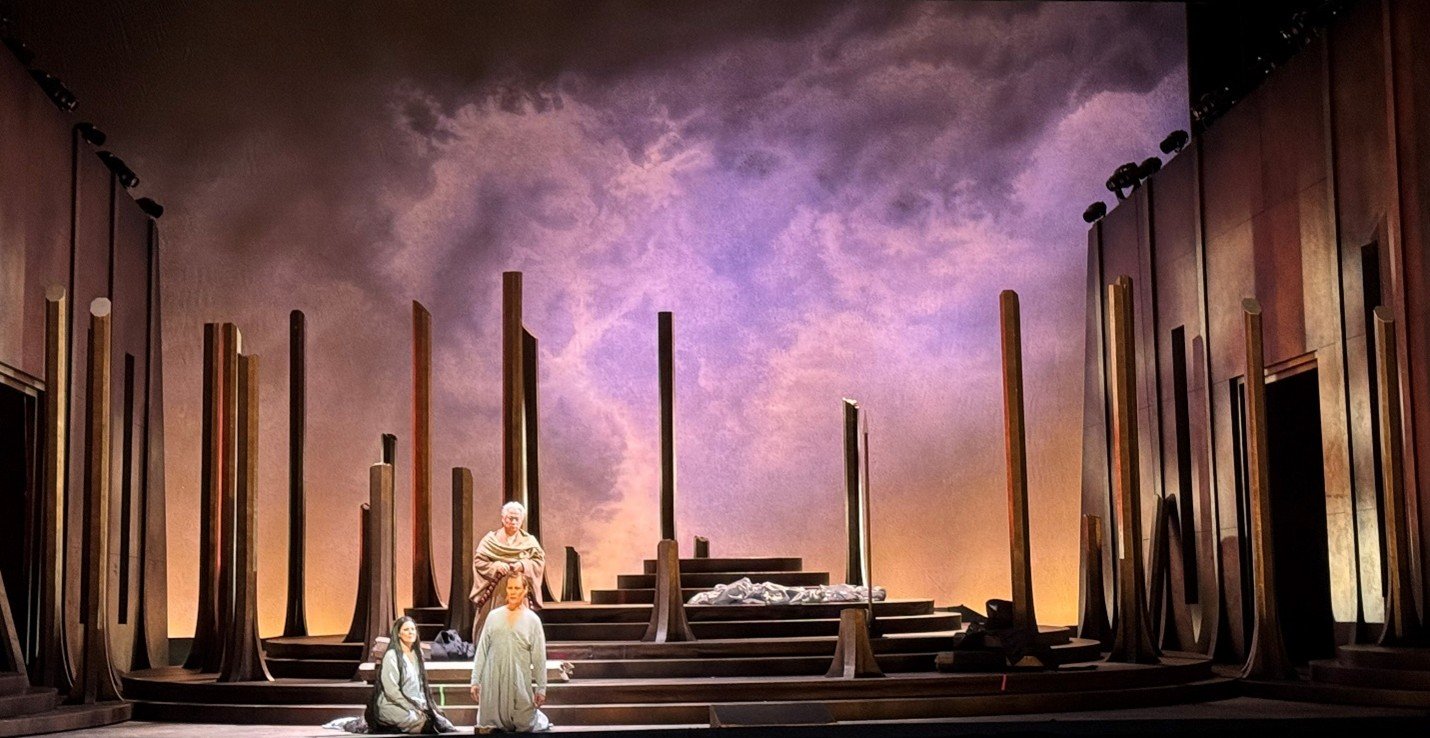 The final act of Parsifal with Tanja Ariane Baumgartner, Kwangchul Youn, and Brandon Jovanovich.
For me, that is the essence of Parsifal: it is an invitation into a meditation in which we enter a different conception of time, and in which we, the audience, become a part of the ritual of a community finding healing and meaning in the sanctity of a repetitive tradition. We want the audience for this production to be invited into a space of ritual, both musically and spiritually. We want the lines to be blurred between the stage experience and your experience. The two should become one and the same.
There was a moment in the piano dress rehearsal for Act I where we saw for the first time the intersection of Matthew Ozawa’s conception: Rena Butler’s movement, Jessica Jahn’s costumes, Robert Innes Hopkins’ set and Yuki Nakase Link’s lighting, and I suddenly felt that I, like the character of Parsifal, was there, watching the Knights of the Grail involved in the sacrificial rite of the Grail. The spaciousness of the music, the vestments of ritual, the kinetic energy of spirituality. I was invited in, and I was able to linger. It felt extraordinary.
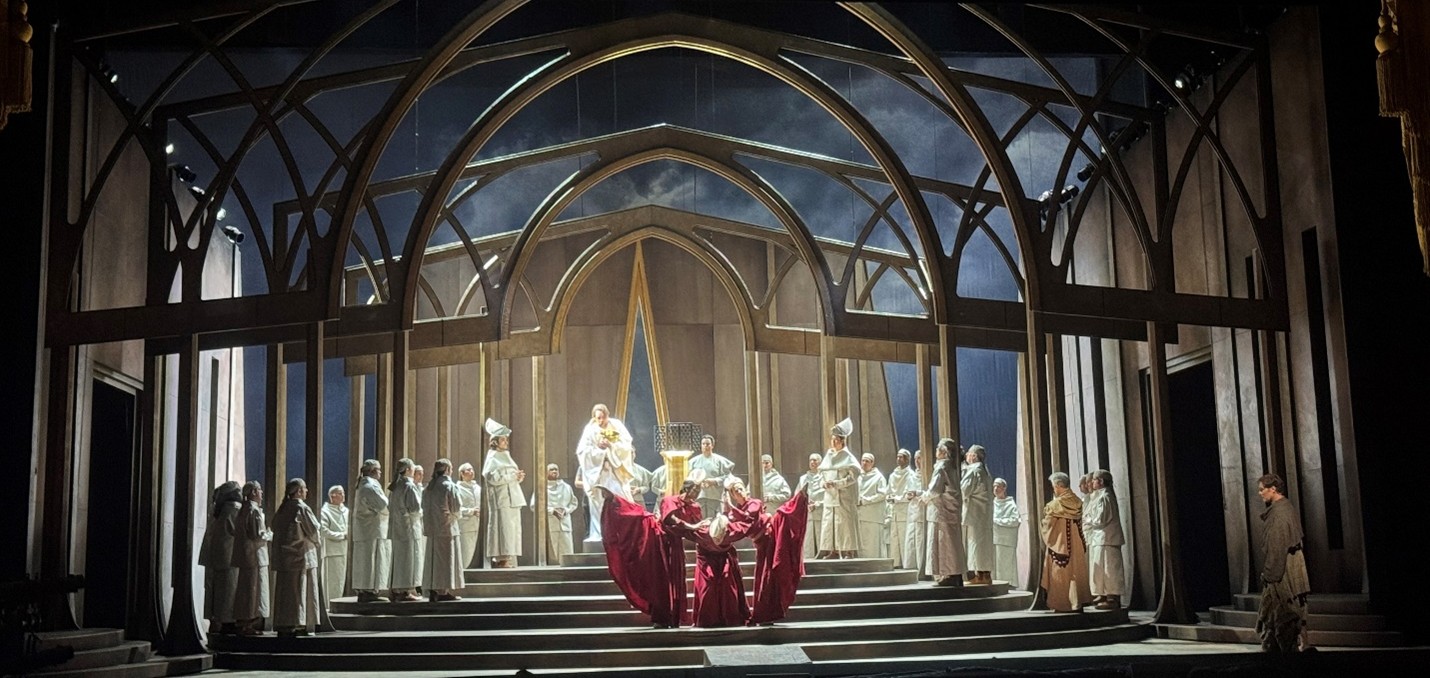
The ritual of the Grail unfolding in Act I.
And that’s before adding in the Orchestra under Eun Sun Kim’s baton. When that happens, the portal that opens is not just an invitation to participate but an invitation to transcend the temporal and to glimpse the eternal. In that is the unique invitation of Parsifal and I, for one, am overjoyed that we waited for the stars to align and waited for that portal to open. I cannot wait to share in this once-in-a-lifetime experience together in the coming weeks. This is the extraordinary possibility of music and of our stage. Thank you for joining us on the journey.
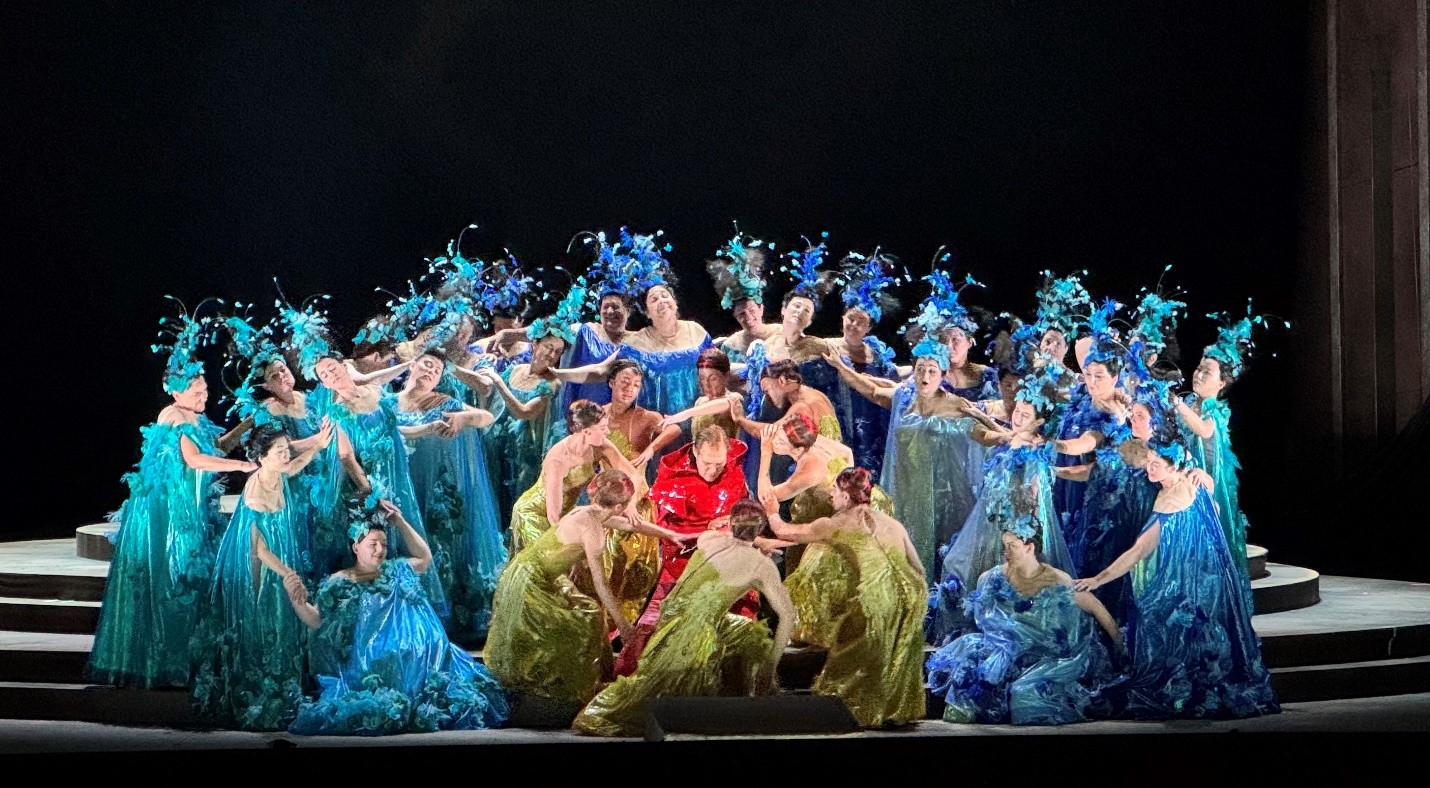
The Flowermaidens tempting Parsifal in Act II.