

Rossini, Gioachino
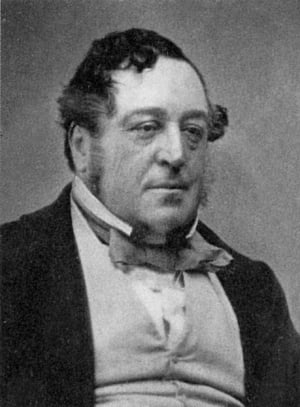
(1792–1868)
Gioachino Rossini (1792–1868) was an Italian opera composer whose works helped define the bel canto style of the early 19th century. Best known for The Barber of Seville, Gioachino Rossini’s operas combine virtuosic vocal writing with razor-sharp comic timing.
Between 1810 and 1829, Rossini composed nearly forty operas, including enduring favorites such as The Barber of Seville, La Cenerentola, Semiramide, and William Tell. His music is also known for the “Rossini crescendo,” a device that builds excitement through repeated phrases and gradually intensifying orchestration. Rossini also transformed the operatic aria, popularizing a two-part structure that paired a lyrical opening with a cabaletta, allowing music to propel dramatic action rather than pause it.
Though he retired from opera composition at just 37, Rossini’s operas remain beloved for their wit, melodies, and vocal athleticism.
Rossini Fast Facts
Born: February 29, 1792 (Pesaro, Papal States (now Italy))
Died: November 13, 1868 (Passy, near Paris, France)
Active years: 1810–1829
Operas composed: 39
Most famous operas: The Barber of Seville, La Cenerentola, Semiramide, William Tell
Signature musical trait: The “Rossini crescendo”