

What is Our Capacity for Forgiveness?
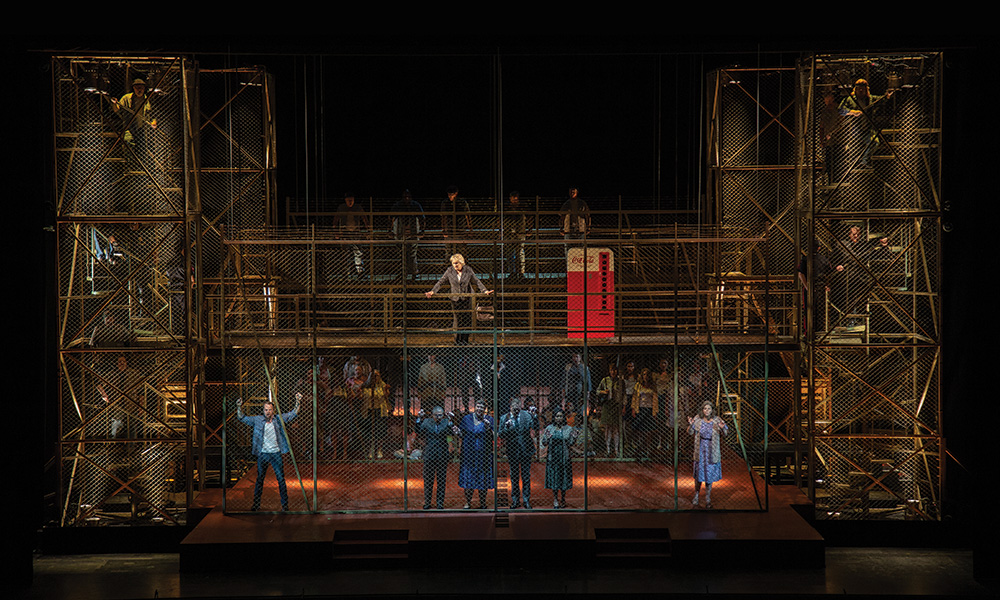
I am confronted with this question every time I return to Dead Man Walking. This piece can be viewed (usually by people who have never seen the opera) as a referendum on the death penalty in the United States. I find that lets everyone off the hook far too easily. Generally people’s views on capital punishment are fixed: you are either for it or against it, end of discussion. What, I believe, this piece really asks the audience is something far more difficult. Would you have the capacity to forgive someone who perpetrated a horrible crime, such as the ones depicted in this piece, against a loved one?
I find myself very low on the forgiveness scale, something of which I am not proud. When I am confronted with the question of, could I forgive, I don’t honestly know the answer. Each time I work on Dead Man Walking, I carefully chart Sister Helen’s journey, step by step, and I am constantly surprised when I reach the moment that she cannot answer the question, as to whether she has forgiven the killer. Her faith is based on being able to see the face of God in each and every person. What if she finds she is unable see it in this man? Or forgive him?
The centerpiece of the first act is an aria, sung by Sister Helen as she travels to the prison for the first time to meet the murderer, Joseph De Rocher.
This journey.
This journey to Christ.
This journey to my God.
This journey to myself.
To my Jesus.
To this man.
This journey.
This journey to the truth.
This journey.
Sister Helen’s journey is our journey, our journey to the truth, the truth about ourselves.